
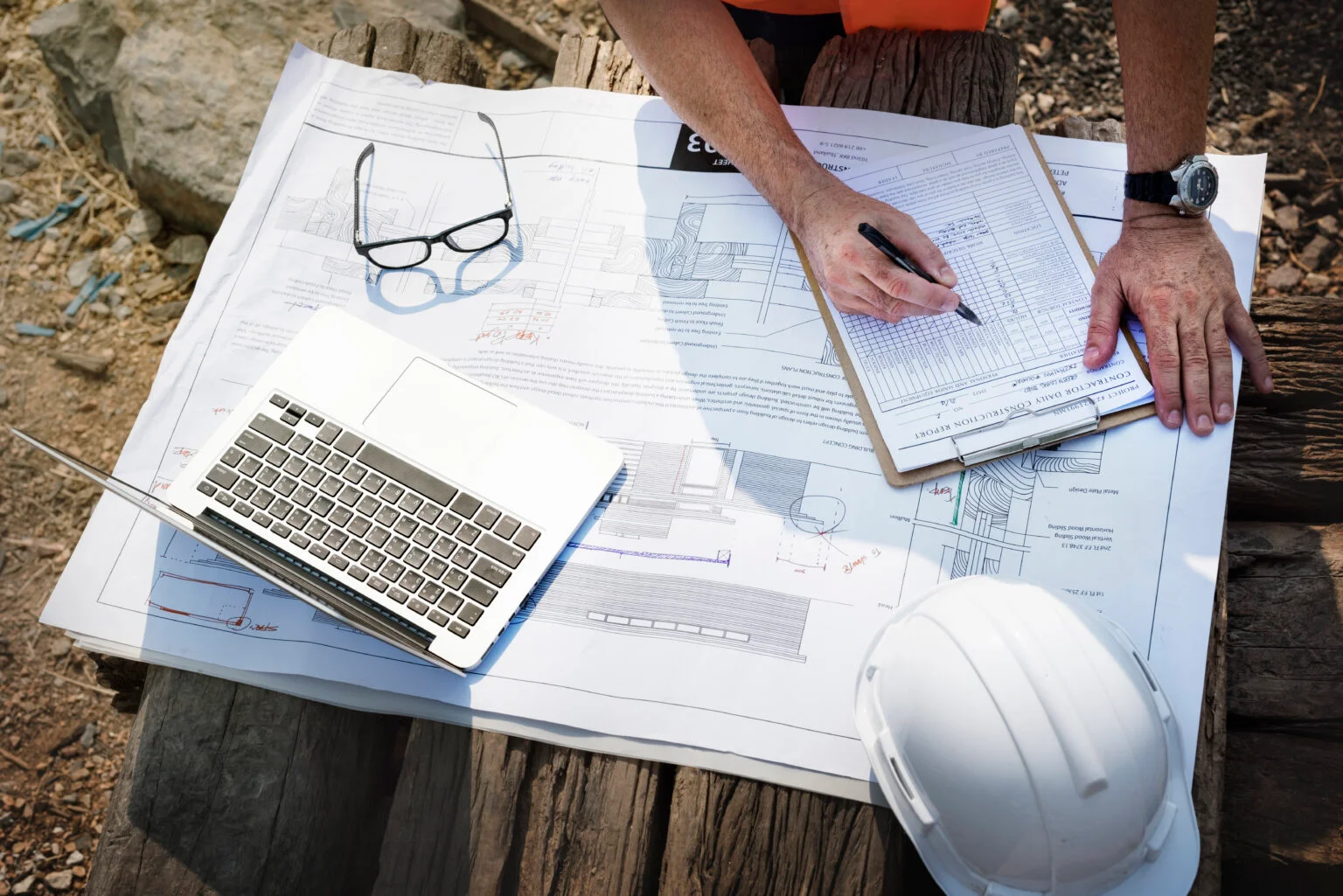
Construction, safety, quality, and compliance are non-negotiable. They’re not just nice-to-have goals; they’re the foundation of a successful project. The process that ties all of these together starts with construction planning and scheduling, and an essential part of that process is the construction site inspection. Traditionally, inspections were time-consuming, paperwork-heavy, and prone to communication delays. But in our digital-first world, that’s changing fast. More professionals are turning to construction inspection software to make inspections smoother, faster, and far more accurate.
So, what exactly does a site inspection involve in the context of construction planning and scheduling? And how does the right software enhance the process? This guide will walk you through everything you need to know , from understanding the basics of inspections to seeing how digital tools are reshaping them for the better.
Understanding Construction Site Inspections in Construction Planning and Scheduling
A construction site inspection is a structured process designed to ensure that your project is progressing according to approved plans, meeting safety requirements, and complying with regulations. Within construction planning and scheduling, inspections are strategically timed to align with project milestones. These inspections often cover several critical areas, such as verifying the quality of both materials and craftsmanship, ensuring all safety procedures are followed, confirming compliance with building codes, and spotting potential risks or defects before they become costly problems.
In the past, inspections meant working with paper checklists, physically storing documents, and waiting for updates to be relayed between teams. This often slowed down decision-making and made it harder to keep accurate, up-to-date records. Today, with the help of modern technology, construction inspection software allows inspections to be conducted with real-time visibility, digital record-keeping, and instant updates directly from the field. The shift from manual to digital has transformed the process into something more accurate, efficient, and transparent , fitting perfectly into streamlined construction planning and scheduling strategies.
How Construction Inspection Software Supports Construction Planning and Scheduling
Construction inspection software takes what used to be a largely manual process and brings it entirely online. Instead of juggling paper forms and clipboards, inspectors can now complete their checklists directly on a mobile device while on-site. They can attach photos and add comments instantly, making it easy to document exactly what they see at the moment they see it.
Within construction planning and scheduling, this means that inspection results can immediately feed into project timelines. Delays can be spotted early, safety concerns can be addressed without waiting for weekly updates, and progress can be aligned with schedules in real time. This software also allows inspectors to flag issues for immediate action, ensuring that problems don’t sit unresolved for days or weeks. Once the inspection is complete, reports can be shared instantly with all relevant stakeholders, eliminating delays and miscommunication.
Core Features That Improve Construction Planning and Scheduling
Not all inspection software is created equal, so it’s important to understand which features make the biggest difference in practice. One of the most valuable features is the ability to create customisable checklists that match the exact needs and phases of your project. This ensures that inspections stay relevant and thorough at every stage of the build.
Photo capture and annotation capabilities are also essential, as they allow inspectors to record visual evidence and add notes directly to images. Issue tracking tools make it possible to assign tasks to specific team members, set deadlines, and follow up on progress until problems are resolved. Cloud-based access keeps everyone connected, no matter where they are, so updates and documentation are always available. Finally, one-click reporting streamlines audits and status updates, making it easier to demonstrate compliance and quality control.
When combined, these features keep inspections seamlessly integrated into construction planning and scheduling, ensuring every step is accounted for and aligned with the project’s overall timeline.
Why Switching to Digital Inspections Benefits Construction Planning and Scheduling
Moving from paper-based inspections to digital workflows offers a long list of benefits. First, you save time , inspections that once took hours can now be completed in minutes. Staying compliant also becomes easier, as the software can be updated to reflect the latest rules, regulations, and standards without having to reprint or redistribute checklists.
Collaboration improves, because every team member can access the same data at the same time, keeping everyone aligned on priorities and progress. The accuracy of inspections increases when digital tools are involved, since they minimise the risk of missing steps or overlooking issues. Every action, comment, and image is logged and traceable, which strengthens accountability and provides a clear audit trail for future reference.
When incorporated into construction planning and scheduling, digital inspections help keep timelines realistic, reduce the risk of delays, and ensure every milestone is met with confidence.
Why Construction Site Inspections Matter
Construction site inspections are crucial for ensuring safety, quality, and compliance on building projects. They help identify potential hazards, maintain quality standards, and ensure adherence to regulations, ultimately leading to safer, more efficient, and higher-quality construction outcomes. For professionals in construction engineering careers and those exploring what a mechanical engineer does, site inspections are a core aspect of maintaining project integrity and meeting safety requirements.
Safety, Hazard Prevention, and Quality Control in Construction Engineering Careers
Inspections help identify potential hazards like unstable structures, unsafe equipment, or hazardous materials, allowing for timely mitigation. By addressing safety concerns proactively, inspections help prevent accidents, injuries, and fatalities on the construction site, creating a safer work environment for everyone. Regular inspections ensure that the site adheres to relevant safety regulations and standards, minimizing legal risks and potential penalties. They also verify that the work is being carried out according to approved plans, specifications, and quality standards. Early detection of defects or deviations from the design allows for timely corrections, preventing costly rework. Inspections ensure that materials meet required quality standards, contributing to the long-term durability of the structure and enhancing the mechanical engineering job outlook in construction.
Legal Compliance, Efficiency, and Client Confidence in Construction Projects
Inspections verify that construction work complies with local building codes and regulations, preventing potential legal issues and ensuring the structure’s integrity. They help ensure that the work meets contractual requirements, minimizing the risk of disputes. Early identification of issues minimizes the need for costly rework, saving time and resources. Regular inspections provide valuable insights into project progress, improving resource allocation and scheduling. They can also identify potential maintenance issues early, allowing for preventative measures that reduce future costs. A well-documented inspection history demonstrates professionalism and trustworthiness to clients, stakeholders, and regulators. Thorough inspections build confidence in the quality and safety of the project, leading to increased client satisfaction and positive referrals.
Construction site inspections are a vital part of the construction process, ensuring safety, quality, and compliance while also contributing to efficiency and cost-effectiveness. For engineers, including those with mechanical engineering specializations, mechanical engineering certifications, and experience from mechanical engineering internships, mastering inspection processes can be a career-defining skill.
Professionals aiming at becoming a licensed mechanical engineer or advancing in construction engineering careers can benefit from strong inspection knowledge, as it improves project outcomes and boosts mechanical engineer salary potential.
By integrating mechanical engineering skills needed with effective inspection practices, construction professionals can enhance both project quality and their long-term career growth in high-demand sectors like infrastructure, energy, and industrial development.
Best Construction Site Inspection Practices for Mechanical and Civil Engineering Career Growth
Understanding how inspections impact safety, compliance, and quality control is essential for anyone building a career in construction engineering. Combining mechanical engineering education, certifications, and inspection expertise equips professionals to lead projects successfully, improve job prospects, and secure roles with competitive salaries in the global construction market.
Example of Construction Planning and Scheduling in Action
To see how this works in practice, imagine a site manager inspecting scaffold safety on a busy commercial project. Instead of jotting down notes on a piece of paper and waiting until the end of the day to file them, she opens her inspection app. Within minutes, she completes the relevant checklist, snaps a photo of a loose tie, and assigns the repair to a subcontractor.
The subcontractor receives an instant alert, fixes the issue immediately, and marks it as resolved in the system. The update is visible to the entire project team, and the inspection report is automatically saved for future reference. What once could have taken hours , or even days , is now resolved in minutes, with full documentation at every step. This efficiency feeds directly into construction planning and scheduling, keeping the project on track and avoiding costly overruns.
Types of Construction Inspections
Construction inspections are a crucial part of ensuring that projects meet safety, quality, and compliance standards. They cover everything from daily progress checks to specialized inspections for environmental regulations, insurance, and occupational safety. Whether you are in construction engineering careers or exploring mechanical engineering skills needed for specific building systems, inspections help keep work aligned with regulations and client expectations.
The Role of Mechanical Engineering in Inspections
For mechanical engineering specializations, inspections can involve reviewing HVAC systems, structural stability, and machinery installation. Understanding the inspection process is essential for project managers, site engineers, and anyone aiming to uphold excellence in the construction industry.
Main Categories of Construction Inspections
Construction inspections can be broadly categorized into those focused on safety, quality, and compliance. Common types include daily inspections, quality control inspections, health and safety inspections, and inspections related to specific stages of construction like footings, framing, and pre-shipment. Inspections also occur related to environmental regulations, insurance requirements, and even during draw inspections for construction loans.
1. Daily Inspections
Daily inspections are short, frequent checks to ensure a construction site operates safely and efficiently. These inspections help supervisors track progress, verify that workers follow safety protocols, and ensure that tools, equipment, and materials are in proper working condition. In construction engineering careers, daily checks are essential for preventing delays and avoiding costly mistakes. For those asking what does a mechanical engineer do on-site, these inspections often involve checking mechanical systems, ensuring correct installation, and verifying alignment with design plans. Even small daily checks help maintain project momentum, improve safety outcomes, and ensure quality from start to finish.
2. Quality Control Inspections
Quality control inspections focus on making sure construction work meets the required standards, codes, and specifications. A quality control manager or site engineer typically oversees these inspections, documenting any deviations and recommending corrections. In mechanical engineering education, students learn that precision and adherence to technical standards are vital in construction. Quality control is especially important for mechanical components such as elevators, HVAC systems, and plumbing. These inspections ensure the long-term reliability and safety of the finished project. They also maintain compliance with building regulations, protect the project’s reputation, and help avoid warranty issues after completion.
3. Health and Safety Inspections
Health and safety inspections are designed to identify hazards and ensure compliance with occupational safety laws, including OSHA requirements. This may involve checking fall protection, personal protective equipment (PPE), scaffold stability, and safe machinery operation. In mechanical engineering certifications and training, safety is a core component, as poorly maintained equipment or incorrect installation can lead to serious accidents. For mechanical engineering job outlook projections, professionals who prioritize safety have an advantage, as employers value engineers who can mitigate risks. Regular health and safety inspections create a culture of safety and help prevent injuries on construction sites.
4. Stage Inspections
Stage inspections occur at key milestones in construction, such as foundation pouring, framing completion, lock-up, and final handover. Each stage must be approved before moving forward, ensuring that no critical errors carry over to the next phase. In mechanical engineering internships, students often observe these inspections to learn how systems integrate into a building at different phases. For example, HVAC ductwork may be inspected before walls are closed, ensuring accessibility for maintenance. Stage inspections are vital for both structural and mechanical elements, helping avoid costly rework and ensuring the project develops according to the approved design.
5. Environmental Inspections
Environmental inspections confirm that a construction project follows environmental regulations regarding waste disposal, emissions, noise levels, and water usage. These inspections often involve third-party specialists and are crucial for projects near protected areas or in cities with strict environmental codes. In mechanical engineering specializations, such as renewable energy systems or HVAC design, environmental compliance is essential for sustainable building practices. Engineers may assess energy efficiency, emissions from machinery, and eco-friendly material usage. Compliance not only meets legal requirements but also enhances a project’s reputation, attracts eco-conscious clients, and contributes to long-term environmental sustainability in construction.
6. Draw Inspections
Draw inspections are tied to construction financing. Before funds from a construction loan are released, lenders require an inspection to verify that work is progressing as planned. This protects both the lender and the project owner from financial risk. In construction engineering careers, draw inspections ensure transparency and financial accountability. For mechanical engineer salary discussions, involvement in these inspections can demonstrate added value, as engineers who can verify technical progress are highly sought after. Properly conducted draw inspections keep projects on track financially while ensuring that mechanical and structural work is completed to acceptable standards.
7. Insurance Inspections
Insurance inspections verify that construction projects meet the requirements set by insurers. This can involve checking site safety, structural integrity, and the quality of installed systems. For mechanical engineering skills needed in this process, engineers may evaluate the performance and safety of mechanical installations such as lifts, boilers, and ventilation systems. Passing these inspections can result in lower insurance premiums and improved coverage terms. They also help mitigate risks by identifying potential issues before they cause accidents or damage. Strong insurance inspection records enhance trust between contractors, clients, and insurers, leading to smoother project delivery.
8. OSHA Inspections
OSHA inspections are official checks conducted by the Occupational Safety and Health Administration to ensure compliance with workplace safety laws. These inspections can be scheduled or unannounced and cover all aspects of site safety. In becoming a licensed mechanical engineer, knowledge of OSHA requirements is critical, as mechanical installations often involve high-risk activities like welding, lifting, and pressure system testing. OSHA inspections ensure that safety procedures are followed, reducing workplace injuries and avoiding legal penalties. A solid safety record can improve project efficiency and boost an engineer’s reputation in the construction industry.
9. Pre-Production/Initial Inspections
Pre-production inspections occur before construction starts. They ensure that materials, tools, and equipment are ready, and that designs comply with applicable codes. For those in mechanical engineering education, these inspections highlight the importance of preparation before execution. Engineers may check mechanical system designs, review supply lists, and confirm that environmental and safety requirements are met. A thorough pre-production inspection reduces the likelihood of delays, ensures smooth coordination between trades, and allows for early problem-solving. It is a proactive step that supports both construction efficiency and high-quality project outcomes.
10. During Production Inspections
During production inspections happen throughout the building process to monitor ongoing quality and safety. These inspections can cover structural work, mechanical installations, and compliance with project specifications. In mechanical engineering job outlook terms, professionals who excel at identifying and resolving issues during production are in high demand. For example, mechanical engineers may check HVAC installation progress, plumbing system alignment, and machinery calibration. Continuous oversight helps maintain quality control, prevent costly rework, and ensure that the project remains on schedule. It also reassures stakeholders that construction is being completed to the highest standards.
11. Pre-Shipment Inspections
Pre-shipment inspections verify that materials or mechanical components are correct, undamaged, and meet quality standards before being sent to the construction site. In mechanical engineering certifications training, engineers learn how to inspect complex machinery, ensuring specifications are met before delivery. This step prevents costly delays caused by receiving incorrect or faulty items. Pre-shipment checks may involve reviewing supplier documentation, testing equipment performance, and ensuring packaging meets safety standards. By confirming readiness before shipping, these inspections reduce logistical problems and ensure that installation on-site proceeds without interruptions or costly replacements.
12. Building Stage Inspections
Building stage inspections involve reviewing specific parts of a project, such as the foundation, framing, or final finishes. In what does a mechanical engineer do terms, this often includes inspecting HVAC duct placement, boiler installations, or mechanical room layouts before proceeding to the next step. These inspections help identify and correct issues early, preventing them from becoming costly or dangerous later. For mechanical engineering internships, participating in stage inspections provides hands-on learning about real-world construction processes. Stage inspections keep the project aligned with its design, ensuring safety, compliance, and quality at every critical phase.

Step-by-Step Construction Site Inspection Process
1. Planning and Preparation
Thorough planning is the foundation of a successful construction site inspection. Inspectors begin by reviewing project documentation such as blueprints, specifications, permits, and past reports to fully understand the scope. They create a detailed inspection plan, including checklists tailored to the specific construction phase, building codes, and mechanical engineering requirements. Preparing equipment like measuring tools, cameras, and personal protective equipment (PPE) ensures readiness. Scheduling inspections in coordination with site supervisors minimizes disruptions. This stage is critical for ensuring that safety, quality, and compliance are addressed early, which helps prevent costly mistakes and ensures alignment with construction engineering career standards.
2. Site Walk-Through and Observation
During the site walk-through, inspectors follow a consistent route to cover every construction zone, from foundations to roofing. They evaluate workmanship quality, structural integrity, and adherence to approved plans. This includes checking the proper sequencing of construction activities and mechanical engineering systems such as plumbing, electrical, and HVAC installations. Inspectors actively look for safety hazards, including fall risks, unprotected edges, and improper storage of materials. Compliance verification with building codes and regulations is also essential. Observations at this stage help detect issues early, ensuring that construction engineering careers prioritize safety, quality, and efficiency in all project phases.
3. Communication and Documentation
Clear communication is essential for resolving inspection issues quickly. Inspectors engage with site supervisors, contractors, and workers to understand challenges and clarify standards. Every observation is documented with detailed notes, photographs, and location references. Issues are categorized as defects, delays, compliance violations, or areas for improvement. Non-conformances are flagged immediately for corrective action. Modern digital tools, such as construction inspection apps, streamline the process and allow real-time updates, reducing delays in decision-making. Thorough documentation not only supports accountability but also provides valuable training material for aspiring professionals seeking careers in construction engineering and mechanical engineering specializations.
4. Follow-Up and Closure
After the inspection, the follow-up phase ensures that all identified issues are addressed. Inspectors communicate findings to stakeholders, including project managers, contractors, and building owners. Corrective actions are monitored to verify timely resolution. For example, safety hazards are prioritized, while compliance gaps are rechecked against building codes. The closure process may involve re-inspections, final approvals, and signed-off reports. This stage also focuses on continuous improvement by analyzing what worked well and where processes can be refined. For those in construction engineering careers, mastering follow-up ensures long-term quality, safety, and reliability across all building projects.
5. Specific Areas of Focus
A thorough inspection addresses multiple construction elements. Site preparation involves grading, excavation, and utility installation. At the frame stage, inspectors verify that structural components meet mechanical engineering education standards and follow design specifications. The lock-up stage includes checking window and door installations before plastering begins. Electrical, plumbing, and mechanical systems are inspected for compliance and performance. Final inspections confirm that every element meets safety, quality, and project requirements. This step-by-step approach ensures that construction engineering careers remain focused on delivering durable, safe, and code-compliant buildings while meeting client expectations.
How to Write a Building Inspection Report
Introduction and Property Overview – Key Steps in a Construction Inspection Report
Start by introducing the property, including its location, age, and intended purpose. A thorough introduction sets the context for the inspection findings. During your on-site visit, examine all major components such as the structural framework, electrical systems, plumbing, roofing, and safety features. Document each observation meticulously, noting both strengths and areas requiring improvement. Support findings with clear, labeled photographs. Your report should present accurate, unbiased facts, enabling readers to trust the assessment. This section establishes credibility and ensures the client understands the property’s background before reviewing the detailed inspection results.
Executive Summary – Highlighting Construction Defects and Strengths
Provide a concise, high-level overview of the most significant findings and major defects. This section should summarize critical safety hazards, urgent repairs, or notable strengths in a few paragraphs. The purpose is to allow the client to grasp the property’s general condition without reading the full report. Clearly state whether the building meets acceptable standards and highlight any concerns that may affect occupancy, safety, or value. While it should be brief, it must remain clear and direct, offering a balanced perspective of both positives and areas of concern. This is often the most-read section of the report.
Property and Client Details – Essential Information for a Construction Report
This section serves as the formal header of the building structural report. Include the property’s full address, inspection date, inspector’s name, and client contact details. Also, specify the building’s type, usage, and approximate age. The more precise the details, the easier it will be for future reference or follow-up inspections. If applicable, note the weather conditions on the inspection day, as they can impact accessibility or findings (for example, wet conditions affecting roof checks). This section ensures that the report is correctly attributed to the property in question and minimizes the chance of administrative errors.
Inspection Findings by System – Detailed Construction Assessment
Organize observations by building systems, such as roofing, exterior walls, interior finishes, plumbing, electrical, HVAC, foundation, and drainage. For each system, describe its overall condition, specific issues, and location. Include the severity of each problem and potential consequences if left unaddressed. For example, note whether a roof leak is minor or may lead to structural damage. This structure helps the reader easily navigate the report and focus on areas of concern relevant to their priorities. Use professional, non-technical language unless the client has the expertise to interpret specialized terms.
Recommendations and Conclusions – Construction Safety and Maintenance Priorities
Provide clear, prioritized guidance based on your findings. Urgent safety hazards should be addressed first, followed by structural or functional repairs, and then general maintenance suggestions. Indicate if further evaluation by a specialist (e.g., structural engineer, electrician) is required. Conclude with an overall statement of the building’s fitness for use, estimated longevity of major systems, and any foreseeable maintenance needs. This section should give the client a clear action plan for addressing the property’s issues while also recognizing areas that meet or exceed standards. The goal is to guide informed decision-making without unnecessary alarm.
Photo Documentation – Visual Evidence in a Construction Report
Include high-quality, well-lit photographs that directly correspond to each finding in the report. For clarity, annotate photos to indicate problem areas, showing both close-up and contextual views. Where applicable, include “before and after” images if previous repairs or improvements were verified during the inspection. Visual evidence enhances the report’s credibility and helps clients better understand the severity and location of each issue. Ensure photos are properly labeled and placed near the related text section. Consistent formatting and captions make the document more professional and easier to navigate.
Common Non-Conformities & How to Resolve Them
Non-conformities, also called deviations from established standards, can occur in any industry, including construction projects and mechanical engineering processes. Whether it’s a faulty product, a missed step in a process, or incomplete documentation, these issues can impact quality, compliance, and customer trust. Addressing them is not just about fixing the problem, but also about preventing it from happening again. In the context of mechanical engineering, understanding what a mechanical engineer does, mastering the mechanical engineering skills needed, and adhering to mechanical engineering education and certifications are essential for preventing such deviations.
Common Non-Conformities in Construction Projects and Engineering Workflows
Product quality issues such as defects, inconsistencies, or failures to meet product specifications can delay construction timelines and reduce client satisfaction. Process deviations, such as not following established construction procedures, lead to variations in how tasks are performed and can cause structural or mechanical problems later. Documentation errors, including inaccurate or incomplete records like missing instructions or incorrect quality logs, affect both construction compliance and mechanical engineering project records. Supplier non-conformities occur when materials or components from suppliers fail to meet agreed quality standards, impacting the safety and durability of construction structures or mechanical systems. Equipment malfunctions, such as breakdowns or failures, disrupt production and compromise quality, while customer complaints reflect dissatisfaction when a product or service fails to meet expectations.
Resolving Non-Conformities in Construction and Mechanical Engineering Projects
Identify the issue early by detecting non-conformities through internal construction audits, mechanical engineering inspections, customer feedback, or during operations. Document the problem by recording details about the issue, affected construction processes, and relevant mechanical engineering data. Find the root cause using Root Cause Analysis (RCA) to understand why the problem occurred, whether it was in mechanical engineering design, construction execution, or supplier performance. Implement corrective actions to address the root cause and prevent recurrence. Monitor effectiveness to ensure corrective actions are working in both construction and engineering projects. Take preventive measures to identify potential future issues and act before they occur. Pursue continuous improvement by using lessons learned to strengthen construction workflows and enhance mechanical engineering job outlook.
Tools and Techniques for Addressing Non-Conformities in Construction and Mechanical Engineering
Root Cause Analysis (RCA) uses methods such as the 5 Whys or Fishbone Diagrams to find underlying issues in construction or mechanical engineering processes. Corrective and Preventive Action (CAPA) is a structured process for resolving and avoiding problems, ensuring mechanical engineering specializations maintain high quality standards. Non-Conformance Reports (NCRs) serve as formal records to track issues and actions taken. Internal and supplier audits allow regular checks to identify problems early in construction projects and mechanical engineering internships. Quality Management Systems (QMS) provide software to oversee compliance and quality control in construction management and mechanical engineering certifications. Employee training ensures teams are skilled in detecting and addressing non-conformities quickly, aligning with becoming a licensed mechanical engineer and maintaining high construction safety standards.
Improving Quality and Compliance Across Mechanical Engineering and Construction Fields
Integrating mechanical engineering skills needed with construction project management ensures non-conformities are minimized. This involves proper training, strict adherence to standards, and accurate documentation. Mechanical engineer salary expectations, mechanical engineering job outlook, and career advancement opportunities improve when quality is prioritized. Mechanical engineering education combined with hands-on mechanical engineering internships helps professionals understand industry expectations and develop strategies to handle non-conformities effectively.
Best Practices for Preventing Non-Conformities in Construction and Mechanical Engineering Projects
Preventing non-conformities in construction and mechanical engineering starts with strict compliance to quality standards, continuous employee training, and effective supplier management. Using well-maintained equipment, implementing quality management software, and fostering a culture of accountability in both construction sites and mechanical engineering work environments can significantly reduce deviations. Combining technical expertise, such as mechanical engineering specializations, with strong construction project oversight is key to delivering high-quality results on time and within budget.
The Future of Construction Site Inspections in Planning and Scheduling
Site inspections will always play a critical role in construction. They ensure safety, maintain compliance, and safeguard the quality of work. However, relying on outdated, paper-based methods can slow down your project and introduce unnecessary risks.
By embracing construction inspection software, you can modernise your workflow, cut down delays, and maintain consistent standards across all types of builds , from residential developments to large-scale infrastructure projects. Integrated into construction planning and scheduling, these tools not only improve efficiency but also create a culture of transparency and accountability that benefits the entire project team.
Tools & Software for Site Inspections
Site inspection software and tools help streamline the inspection process, improve data collection, and enhance communication on construction sites. These solutions are vital for maintaining construction quality, ensuring safety compliance, and optimizing project management workflows.
Key Construction Site Inspection Tools
Popular construction inspection software options include Fieldwire, Procore, SafetyCulture (iAuditor), Fluix, and Field1st. Each tool offers specialized features for construction engineering teams, project managers, and safety officers to ensure all inspection requirements are met efficiently.
Features for Better Construction Project Outcomes
These tools provide real-time data capture, customizable checklists, issue tracking, and detailed reporting. By integrating them into construction management systems, teams can identify non-conformities, improve mechanical engineering inspections, and maintain high-quality standards across all project stages.
Take Your Construction Planning and Scheduling to the Next Level with LB Aproplan
If you’re ready to modernise your site inspections, LB Aproplan offers a powerful, easy-to-use solution. With mobile checklists, real-time issue tracking, and seamless team collaboration, it helps construction teams streamline quality and safety processes from start to finish.
It’s trusted by professionals across Europe for its ability to keep projects organised, compliant, and on schedule. Whether you’re overseeing a small renovation or a major commercial build, LB Aproplan can help you manage inspections more effectively and with greater peace of mind.
READ ALSO: Top 10 Best Engineering Careers in Construction
Frequently Asked Questions(FAQ)
1. What is the purpose of a construction site inspection?
Ensuring Safety and Legal Compliance
The purpose of a construction site inspection is to ensure work is carried out safely, efficiently, and in compliance with laws, regulations, and project specifications.
Maintaining Quality and Project Progress
Inspections help identify hazards, maintain quality standards, and confirm activities follow approved plans and safety protocols. They also protect workers, prevent costly mistakes, and keep projects on track.
2. How often should construction sites be inspected?
Daily and Routine Inspections
The frequency depends on project scope, local regulations, and hazard levels. Many sites are inspected daily by supervisors for safety and progress.
Official and High-Risk Inspections
Official inspections by regulatory authorities may happen weekly, monthly, or at key project milestones. High-risk activities, like electrical work or scaffolding, may require more frequent checks.
3. Who is responsible for conducting construction site inspections?
Different Roles in Inspections
Responsibilities vary by inspection type. Site supervisors or foremen conduct regular checks, safety officers focus on safety compliance, and building inspectors verify code adherence. In some cases, specialized third-party consultants perform inspections for specific project requirements.
4. What should be included in a construction site inspection checklist?
General Safety and Equipment Checks
A thorough checklist should cover safety hazards, equipment condition, PPE compliance, structural integrity, fire safety, electrical systems, material storage, housekeeping, and environmental controls.
Project-Specific Quality Checks
It should also address project-specific requirements like blueprint adherence and workmanship quality.
5. What are the different types of construction site inspections?
Safety Inspections – Hazard prevention and OSHA compliance.
Quality Inspections – Verification of project standards.
Pre-Pour Inspections – Formwork, reinforcement, and materials before concrete.
Structural Inspections – Load-bearing element integrity.
Environmental Inspections – Waste disposal and pollution prevention.
Final Inspections – Completion check before handover.
6. How do you prepare for a construction site inspection?
Review and Correct Previous Issues
Review project plans, ensure all safety measures are in place, update documentation, and fix any previous issues.
Organizing and Briefing the Team
Check tools, equipment, and PPE, brief workers on compliance, and keep the site organized with proper signage and clear access routes.
7. How do you write a construction site inspection report?
Key Details to Include
Include the inspection date, location, inspector’s name, type of inspection, observations, identified issues, and recommended corrective actions.
Supporting Documentation
Supporting photos and references to safety standards or codes strengthen the report’s accuracy and clarity.
8. What are the most common safety issues found during inspections?
Frequent Safety Violations
Frequent issues include missing or damaged PPE, poor housekeeping, unguarded edges, electrical hazards, unsafe scaffolding, blocked emergency exits, and improper material storage.
Reducing Risks Through Action
Addressing these quickly reduces accident risks.
9. What tools and software are used for construction site inspections?
Common Inspection Tools
Common tools include measuring devices, cameras, safety checklists, and PPE compliance tools.
Digital Solutions
Popular software includes Procore, PlanGrid, and iAuditor, which help document, track, and manage inspections digitally.
10. Are construction site inspections legally required?
Legal Compliance in Construction
Yes, in most countries construction site inspections are legally required to ensure compliance with building codes, safety regulations, and environmental standards.
Regional Differences
Requirements vary by region and project type.
11. What happens if a site fails an inspection?
Immediate Consequences
If a site fails, work may be halted until issues are corrected.
Potential Penalties
Inspectors may issue fines, safety citations, or stop-work orders, depending on the severity of violations.
12. Can technology improve construction site inspections?
Modern Technology for Better Inspections
Yes, technology such as drones, AI-powered safety monitoring, and mobile inspection apps improves accuracy, speeds up reporting, and enhances hazard detection.
13. What is the difference between a safety inspection and a quality inspection?
Focus of Safety Inspections
Safety inspections focus on hazard prevention and regulatory compliance.
Focus of Quality Inspections
Quality inspections verify that construction meets design specifications, materials standards, and workmanship requirements.
14. How long does a typical construction site inspection take?
Short Safety Checks
Duration depends on project size and inspection type. A basic safety check may take under an hour.
Full Compliance Inspections
A full compliance inspection can last several hours.
15. What qualifications are needed to perform construction site inspections?
Required Training and Certifications
Qualifications vary by region but often include formal training in safety regulations, building codes, and inspection procedures.
Specialized Inspector Requirements
Safety officers may need OSHA certification, while specialized inspectors require engineering or trade qualifications.
Take Your Construction Planning and Scheduling to the Next Level with LB Aproplan
Construction site inspections are more than just a regulatory requirement, they are a cornerstone of safe, efficient, and high-quality project delivery. From identifying hazards early to ensuring compliance with legal standards, a well-structured inspection process can save time, money, and even lives. Whether you’re a site manager, safety officer, or contractor, understanding the purpose, process, and tools available can help you create a safer and more productive work environment.
If you’re ready to modernise your site inspections, LB Aproplan offers a powerful, easy-to-use solution. With mobile checklists, real-time issue tracking, and seamless team collaboration, it helps construction teams streamline quality and safety processes from start to finish.
It’s trusted by professionals across Europe for its ability to keep projects organized, compliant, and on schedule. Whether you’re overseeing a small renovation or a major commercial build, LB Aproplan can help you manage inspections more effectively and with greater peace of mind.