 ENGR. AKIN
How Much Does an EPC Project Cost? A Complete Breakdown
Cost certainty is the defining challenge of any major capital project. For project owners, investors, and government agencies committing hundreds of millions of dollars to a new facility, the question of how much an EPC project will cost is not academic. It determines financing structures, investment approvals, and ultimately whether a project proceeds at all.
Yet EPC project costs are notoriously difficult to estimate without detailed information. A 200 MW power plant is a very different investment from a subsea pipeline or a gas processing facility. This guide provides a structured framework for understanding what drives EPC costs, the typical ranges across project types, and what you can do to protect your budget.
What Are the Main Components of an EPC Project Cost?
Engineering Costs
Engineering typically represents eight to fifteen percent of total EPC project cost. This covers FEED, detailed design, procurement support engineering, regulatory submissions, and construction engineering. On complex facilities with significant process engineering content, the engineering share can be higher.

Procurement Costs
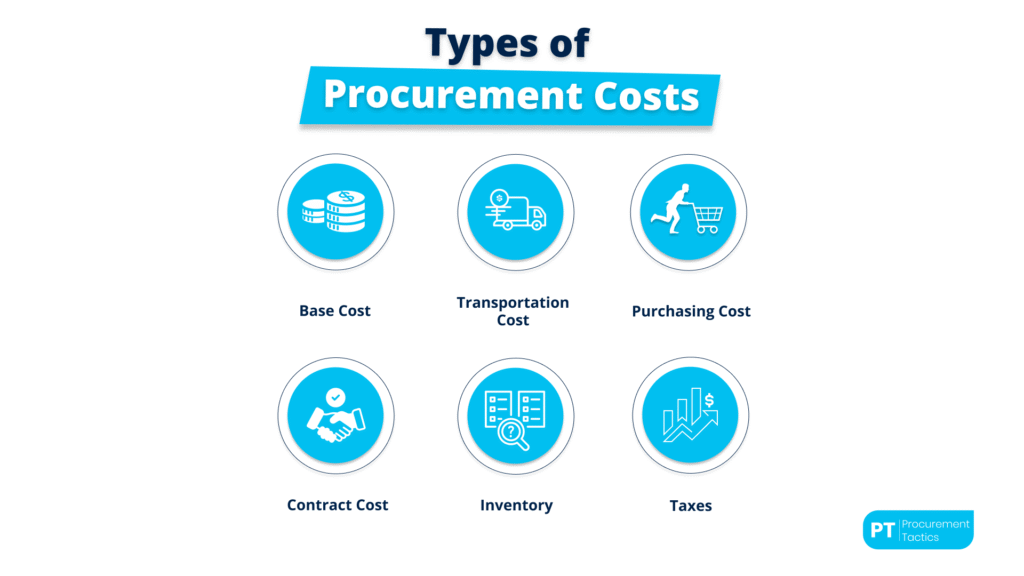
Equipment and materials procurement is usually the largest single cost component, often representing forty to sixty percent of total project cost. Long-lead equipment such as compressors, heat exchangers, turbines, and pressure vessels drives this figure. Global supply chain conditions, steel prices, and equipment availability all affect procurement costs significantly.
Construction Costs
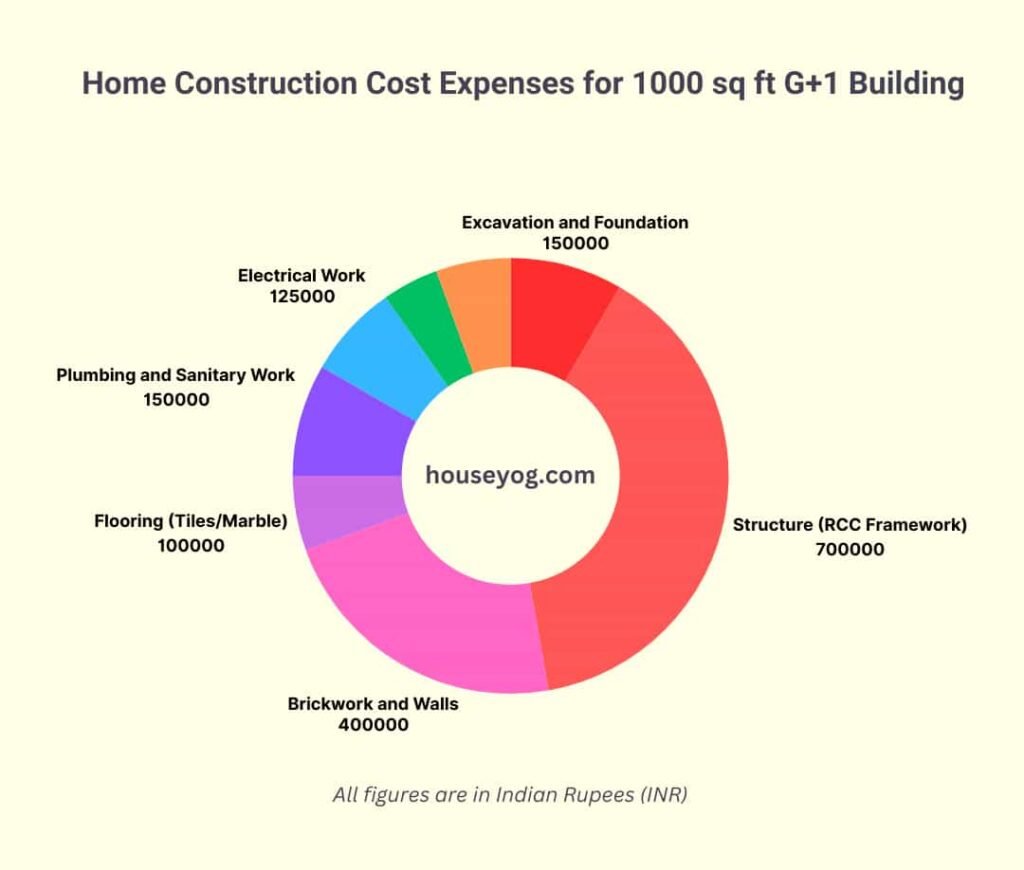
Construction, including all civil, mechanical, electrical, instrumentation, and piping work, typically represents twenty-five to forty percent of EPC cost. In remote or offshore environments, construction costs are significantly higher due to mobilisation, logistics, and productivity factors.
Commissioning and Start-Up Costs
Commissioning is often underestimated. Pre-commissioning, commissioning, and start-up activities can represent three to five percent of project cost, and significantly more for complex process facilities.
Project Management and Indirect Costs
EPC project management, insurance, bonding, quality assurance, health and safety, and project controls typically add twelve to eighteen percent on top of direct costs.
Contingency
A well-structured EPC budget includes contingency reserves. At FEED stage, ten to fifteen percent contingency is typical. At detailed design, five to ten percent is more appropriate. Inadequate contingency is a primary cause of budget overruns on capital projects.
What Are Typical EPC Project Cost Ranges by Project Type?
The following ranges represent typical EPC costs in West Africa, including Nigeria, for common project types. Costs vary significantly with location, market conditions, and project complexity.
- Gas processing plant (50 to 100 MMSCFD): $80M to $250M
- Onshore oil production facility (5,000 to 20,000 BOPD): $60M to $180M
- Gas-fired power plant (50 to 100 MW): $70M to $150M
- Subsea pipeline (12-inch, per kilometre): $1.5M to $4M depending on water depth
- Oil storage tank farm (5 tanks, 10,000 m3 each): $15M to $40M
- LNG micro-scale facility: $120M to $400M
These figures are indicative. Actual costs for any specific project require a proper FEED study and market engagement.
What Factors Drive EPC Project Cost Overruns?
Industry data consistently shows that between forty and seventy percent of major capital projects experience cost overruns. Understanding the root causes is essential for project owners.
Scope Definition
Poorly defined scope at contract award is the single largest driver of EPC cost growth. Every undefined element becomes a variation order after contract signature, typically at unfavourable rates.
Site Conditions
Unexpected ground conditions, inadequate geotechnical surveys, and undisclosed environmental constraints can add substantial cost to civil works.
Supply Chain Volatility
Steel, copper, and equipment costs can move significantly during the procurement phase of a multi-year project. Contracts that do not address price escalation appropriately transfer this risk entirely to the contractor, which gets priced in.
Regulatory Delays
In Nigeria and across West Africa, regulatory approval processes can be unpredictable. Delays in obtaining permits, environmental approvals, or DPR/NUPRC certificates can suspend construction and generate significant standby costs.
Labour and Productivity
Workforce productivity in remote locations is consistently lower than in established industrial zones. This needs to be reflected in construction cost estimates, not assumed away.
How Can You Control EPC Project Costs?
- Invest in FEED: A thorough front-end engineering and design study is the most cost-effective investment a project owner can make. It defines scope, de-risks engineering, and enables competitive bidding.
- Select the right contract structure: Lump-sum EPC protects the client from cost overruns but requires very detailed scope definition. Reimbursable contracts offer flexibility but transfer cost risk to the client.
- Engage an experienced EPC contractor early: Early contractor involvement in scope definition reduces variation orders after contract award.
- Establish robust change order management: Every variation must be evaluated for cost and schedule impact before approval.
- Maintain independent project controls: Owner-side project management and cost engineering provides visibility and accountability.
Why Choose Our EPCI Services for Cost-Effective Project Delivery?
Construction EPCI operates on the principle that cost certainty begins with engineering discipline. Our integrated team applies rigorous cost estimating, schedule control, and procurement management from the earliest stages of project development.
We have delivered EPC projects across Nigeria and West Africa within budget by maintaining tight scope control, strategic procurement, and experienced field management. Our clients benefit from a contractor that understands that a project is not successful unless it is delivered within the agreed commercial framework.
Frequently Asked Questions About EPC Project Costs
How is an EPC project price structured?
Most EPC contracts are structured on a lump-sum basis, where the contractor commits to a fixed price for the defined scope. Payment is typically milestone-based, tied to completion of defined deliverables.
Can EPC project costs increase after contract award?
Under a lump-sum EPC contract, costs to the client can only increase through formally approved change orders for scope additions or changes. The contractor absorbs any cost increases within the defined scope.
What is the difference between CAPEX and OPEX in an EPC project?
CAPEX (capital expenditure) is the cost of building the facility, which is what the EPC contract covers. OPEX (operational expenditure) is the ongoing cost of running the facility after handover. EPC contractors may also provide OPEX support through separate service contracts.
How can I get an EPC project cost estimate for my facility?
Reliable cost estimates require at minimum a defined facility concept, production or capacity targets, a site location, and a preliminary plot plan. A formal FEED study produces a bankable cost estimate suitable for investment approval.
Understanding the true cost drivers of an EPC project is what separates successful project owners from those who face costly surprises. Start with rigorous engineering, choose your contractor carefully, and build a budget that reflects reality.
| Request a project cost consultation from Construction EPCI. Visit www.constructionepci.com |


 ENGR. AKIN