
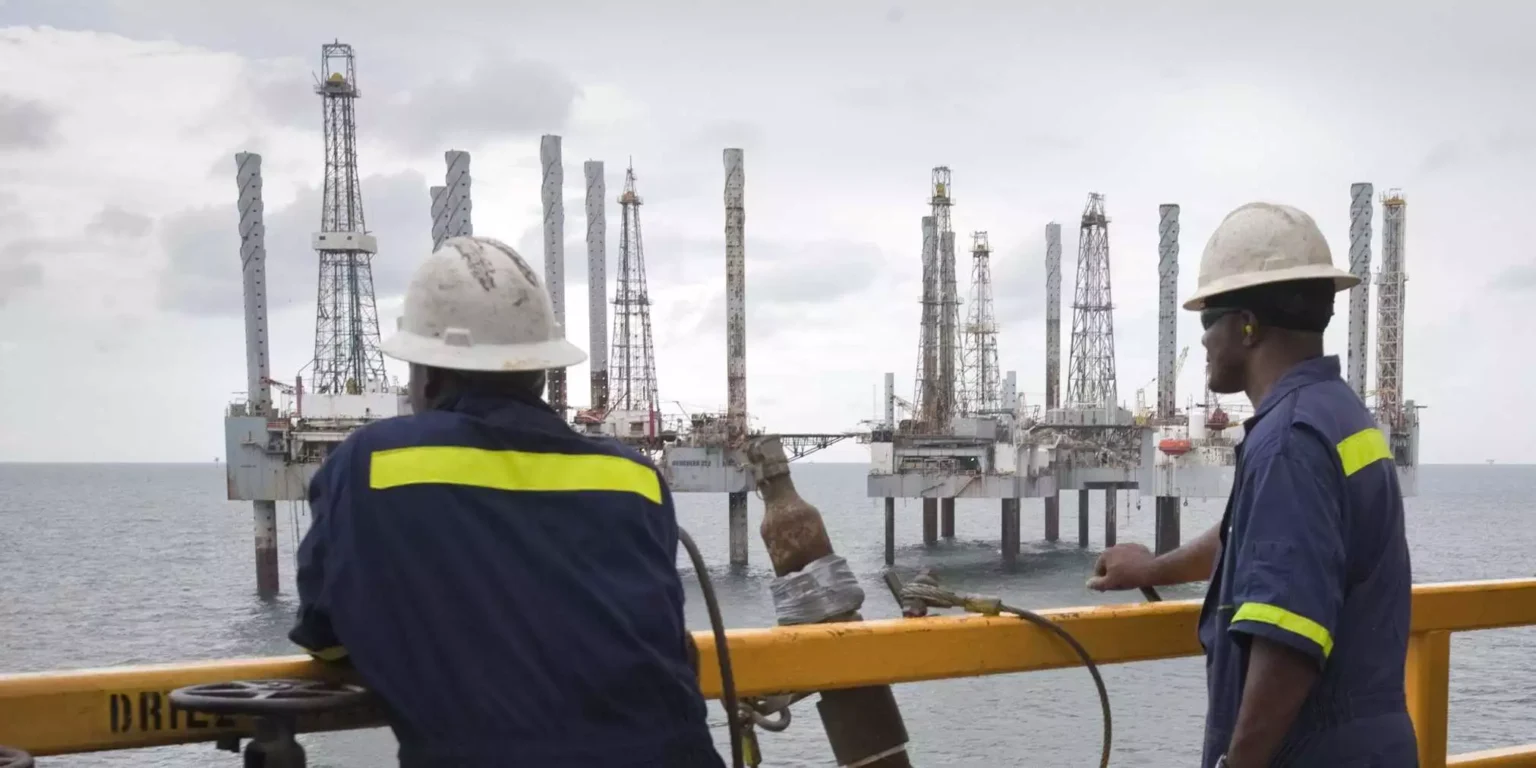
The Global Energy Landscape: Key Oil-Producing Regions Driving the Industry
Oil and gas continue to dominate the global energy landscape, powering industries, transportation, and national economies. Major producing regions not only supply critical energy resources but also drive technological innovation, operational efficiency, and advanced engineering solutions. For countries with significant reserves, these sectors create high-value jobs, attract investment, and foster infrastructure development. Professionals in the industry must stay informed about production trends, emerging technologies, and market dynamics to remain competitive and make strategic decisions.
Strategic Implications for Energy Professionals
Understanding the leading oil and gas regions is essential for career growth and operational success. Knowledge of global production hubs allows engineers, project managers, and energy executives to anticipate market shifts, optimize resource allocation, and implement best practices across projects. Awareness of technological advancements, regulatory environments, and regional challenges also enables energy professionals to deliver more efficient, cost-effective, and sustainable solutions. In today’s competitive energy sector, this insight provides a clear advantage for both organizational performance and individual career development.
Major Oil-Producing Hubs and Their Influence
Several regions dominate global oil production, serving as anchors for energy security and economic stability. These hubs are home to large-scale exploration, advanced offshore drilling, refining complexes, and innovative engineering practices. Engineers working in these regions face challenges such as deepwater operations, high-pressure reservoirs, environmental sustainability, and the demand for cutting-edge solutions.
Offshore Exploration and Engineering Challenges
Offshore oil production, especially in deepwater fields, has emerged as a cornerstone of the global energy industry. These projects often operate in challenging environments, with water depths exceeding thousands of meters and unpredictable weather conditions. As a result, they require cutting-edge engineering solutions, specialized drilling and subsea equipment, and robust operational planning. Deepwater projects also play a strategic role in meeting global energy demand, contributing significantly to the production capacity of leading oil-producing nations.
Engineering Challenges and Innovation
Engineers working on offshore deepwater projects must address unique technical and environmental challenges. Designing resilient platforms, subsea pipelines, and floating production systems demands precision and innovation. Safety measures and environmental safeguards are critical, ensuring minimal ecological impact while maintaining operational efficiency. Advanced technologies such as automated drilling systems, real-time monitoring, and predictive maintenance help optimize extraction and reduce downtime. Professionals in this field gain valuable expertise that drives both project success and career advancement in the global oil and gas sector.
Onshore Fields and Infrastructure Development
Onshore oilfields continue to play a vital role in the global energy supply, providing a stable and reliable source of crude oil. These fields support the backbone of refining, distribution, and transportation networks that feed both local and international markets. Engineers working in onshore operations are essential for maintaining and upgrading critical infrastructure, from drilling rigs and storage facilities to pipeline networks. Their expertise ensures that production remains efficient, safe, and compliant with environmental and regulatory standards.
Engineering Innovation in Onshore Operations
Modern onshore oilfields rely on advanced engineering solutions to maximize output and reduce operational costs. Engineers implement enhanced oil recovery (EOR) techniques, optimize drilling processes, and design pipelines that withstand extreme pressure and environmental conditions. Safety and efficiency are paramount, requiring precision planning and constant monitoring. Professionals skilled in process optimization, pipeline integrity, and resource management are highly valued, as their contributions directly impact profitability, sustainability, and the long-term viability of onshore oil operations.
Emerging Energy Frontiers
New exploration zones are transforming the global oil landscape, opening untapped regions for production and innovation. Engineers and project managers working in these areas face unique challenges, including harsh terrains, remote locations, and complex geological formations. These conditions demand advanced technical expertise, strategic planning, and the adoption of cutting-edge exploration technologies. Professionals in these zones play a critical role in identifying reserves, designing extraction methods, and ensuring operational efficiency while adhering to strict environmental and safety standards.
Opportunities in Developing Energy Markets
Developing energy markets present significant growth potential for the oil and gas sector. With global demand rising, these regions attract investment in infrastructure, technology, and workforce development. Engineers and project managers have the chance to lead pioneering projects, implement sustainable practices, and optimize production processes. By embracing innovation and forward-thinking strategies, professionals can help expand the industry responsibly, create economic value, and establish themselves as leaders in emerging markets.
Staying Competitive in a Changing Industry
Professionals must adopt innovative technologies such as digital twin modeling, AI-driven analytics, and automation tools to optimize operations and reduce costs. By leveraging these technologies, engineers and project managers can anticipate challenges, streamline workflows, and enhance decision-making. Staying ahead of industry trends ensures that projects are delivered efficiently while maintaining high standards of safety and environmental compliance.
Continuous Learning and Global Awareness
Remaining competitive also demands continuous learning and a strong understanding of global energy dynamics. Professionals who keep up with emerging markets, new regulations, and sustainable practices position themselves as strategic assets to their organizations. Networking with international experts, attending conferences, and pursuing certifications in project management, procurement, and engineering standards can enhance skills and open doors to leadership opportunities. In a sector where technological advances and market shifts occur rapidly, forward-thinking professionals who combine technical expertise with adaptability and strategic insight will thrive in a competitive landscape.
Embracing Technological Transformation
The oil and gas sector is embracing a wave of digitalization, fundamentally changing how operations are planned, monitored, and executed. Engineers now rely on tools such as predictive analytics, IoT-enabled sensors, cloud platforms, and digital twins to gain real-time insights into equipment performance and production workflows. By analyzing this data, teams can anticipate maintenance needs, prevent costly downtime, and optimize operational efficiency. Digital integration also enables seamless collaboration across onshore and offshore teams, ensuring faster, more informed decision-making.
Upskilling for the Digital Era
To remain competitive in this evolving landscape, engineers and project managers must invest in continuous learning. Gaining expertise in automation, artificial intelligence, data analytics, and cybersecurity equips professionals to leverage emerging technologies effectively. Companies increasingly seek personnel who can blend traditional engineering knowledge with digital skills, driving both innovation and operational excellence. By staying ahead of technological trends, professionals not only enhance project outcomes but also position themselves as leaders capable of shaping the future of the energy industry.
Prioritizing Local Content and Capacity Development
Global energy regulations are increasingly prioritizing local workforce involvement and regional economic development. Engineers and project managers who integrate these requirements into their projects enhance sustainability and ensure long-term operational success. Engaging local contractors, sourcing materials regionally, and incorporating community needs into project planning not only meets regulatory expectations but also strengthens stakeholder relationships and builds trust with local communities.
Workforce Development and Knowledge Transfer
Developing local talent is essential for resilient energy projects. Mentoring emerging engineers, providing training programs, and facilitating knowledge transfer from experienced professionals ensure continuity and skill retention within the region. These strategies empower local teams, reduce dependency on external specialists, and create a more adaptable, skilled workforce. By fostering local capacity, companies and professionals alike position themselves as leaders in sustainable energy development while supporting broader economic growth.
Networking and Cross-Functional Collaboration
Collaboration is a cornerstone of success in the energy sector. Professionals who participate in international forums, conferences, and industry associations such as the Society of Petroleum Engineers (SPE) gain exposure to cutting-edge practices, emerging technologies, and evolving regulations. Networking on a global scale allows engineers and project managers to exchange insights, benchmark against peers, and identify opportunities for innovation across regions and disciplines.
Multidisciplinary Teamwork
Working with multidisciplinary teams, including geologists, environmental scientists, and project managers, fosters holistic problem-solving. Integrating diverse expertise ensures that projects address technical, environmental, and operational challenges effectively. By embracing cross-functional collaboration, professionals can develop more efficient solutions, reduce project risks, and drive successful outcomes, positioning themselves as leaders in the global energy industry.
Sustainability and Environmental Responsibility
As the global energy sector shifts toward cleaner practices, sustainability has become a core requirement. Engineers are expected to embed environmental, social, and governance (ESG) principles into every stage of project planning and execution. This includes adopting cleaner technologies, minimizing emissions, and reducing operational waste. By aligning projects with ESG standards, energy companies not only comply with regulations but also enhance their reputation, attract investment, and strengthen stakeholder trust.
Leveraging Technology for Sustainable Outcomes
Modern tools such as lifecycle assessment (LCA) software and environmental impact modeling enable engineers to measure and optimize project sustainability. These technologies provide actionable insights on energy consumption, carbon footprint, and resource efficiency, allowing teams to make informed decisions that reduce environmental impact. By incorporating sustainability into procurement, design, and operations, engineers ensure projects are both environmentally responsible and economically viable, positioning themselves as leaders in the evolving energy landscape.
Risk Management in Energy Projects
Effective risk management is essential for the success of energy operations. Engineers must anticipate challenges ranging from safety hazards and environmental compliance to geopolitical uncertainties that can disrupt supply chains or project timelines. By identifying potential risks early, teams can implement preventive measures, reduce downtime, and maintain continuous operations. Proactive planning ensures that projects meet safety and regulatory standards while protecting both personnel and assets.
Leveraging Technology for Risk Mitigation
Modern tools such as hazard analysis software, interactive risk dashboards, and real-time regulatory updates allow engineers to monitor and respond to threats quickly. These systems provide actionable insights, track mitigation efforts, and enhance decision-making across all project stages. Integrating technology into risk management not only strengthens operational resilience but also positions engineers and project managers as forward-thinking professionals capable of delivering safe, reliable, and cost-effective energy solutions.
Data-Driven Decision-Making
Engineers and project managers must leverage advanced analytics to make informed decisions, optimize production processes, and reduce operational costs. By incorporating real-time monitoring, predictive analytics, and modeling tools into daily workflows, teams can identify inefficiencies, anticipate equipment failures, and streamline maintenance schedules. Data-driven approaches not only improve immediate performance but also enhance long-term project reliability and sustainability.
Leveraging SCADA and Advanced Modeling Platforms
Supervisory Control and Data Acquisition (SCADA) systems, along with advanced modeling platforms, provide actionable insights that help engineers execute projects more efficiently. They enable precise monitoring of production parameters and allow rapid responses to operational anomalies. Additionally, these technologies support scenario-based planning for future operations.
By integrating these platforms into workflows, energy professionals can optimize resource utilization, minimize downtime, and maintain consistent output. In this way, data becomes a strategic asset that drives both efficiency and competitiveness.
Investing in Professional Growth
The oil and gas industry is evolving at an unprecedented pace. As a result, professionals must commit to continuous learning to stay competitive. Pursuing advanced training programs and specialized certifications, while keeping up with international best practices, helps engineers and managers stay at the forefront of industry innovation.
By regularly updating their skills, professionals can adapt to new technologies, comply with regulatory changes, and overcome operational challenges. This approach also helps maintain high performance standards across projects.
Mentorship, Knowledge Sharing, and Networking
Beyond formal training, mentorship and knowledge sharing play a critical role in career growth and organizational success. Experienced engineers can guide younger talent, helping them navigate complex projects and develop practical problem-solving skills. Networking through industry forums, conferences, and professional associations also fosters collaboration, sparks innovation, and opens doors to new opportunities. By combining continuous education with active engagement in professional communities, energy professionals can drive both personal growth and long-term industry advancement.
Taking Charge of Your Energy Career
The energy industry presents vast opportunities for those willing to adapt and innovate. Professionals who embrace cutting-edge technologies, from predictive analytics to automation and digital twins, can optimize operations, improve efficiency, and reduce costs. Staying ahead requires a proactive approach to challenges, including evolving regulations, geopolitical uncertainties, and environmental responsibilities. By combining technical expertise with strategic thinking, engineers and managers position themselves as indispensable contributors to the sector’s growth.
Leading the Future of Oil and Gas
Lifelong learning and professional development are essential for long-term success in the energy sector. By prioritizing sustainability, fostering collaboration across multidisciplinary teams, and engaging in mentorship and knowledge sharing, professionals stay competitive in a rapidly evolving industry.
Those who invest in both personal growth and organizational innovation not only advance their careers but also help drive the industry forward. By applying these principles, energy professionals can lead the global oil and gas sector toward a more efficient, responsible, and technologically advanced future.
Stay ahead in the energy industry. Access expert insights, cutting-edge resources, and global opportunities on constructionepci.com. Connect with leaders shaping the future of energy and take your career to the next level.