 ENGR. AKIN
What Is an EPC Contract and How Does It Work?
Delivering a major oil & gas facility, power plant, or industrial complex is one of the most complex undertakings in the modern economy. Costs run into hundreds of millions of dollars. Schedules stretch across years. Regulatory requirements span multiple jurisdictions. The stakes for project owners and investors are extraordinarily high. To manage this complexity and protect their financial interests, most sophisticated clients turn to a single contractual framework: the EPC contract.
Yet despite its widespread use across the energy and infrastructure sectors, there remains significant confusion about what an EPC contract actually involves, how responsibilities are distributed, and whether it is the right structure for a given project. This guide breaks down everything decision-makers, investors, and project owners need to know.
What Does EPC Stand For?
EPC stands for Engineering, Procurement, and Construction. An EPC contract is a project delivery agreement in which a single contractor takes full responsibility for all three phases of bringing a facility or installation from concept to operational readiness.
What Is the Engineering Phase?
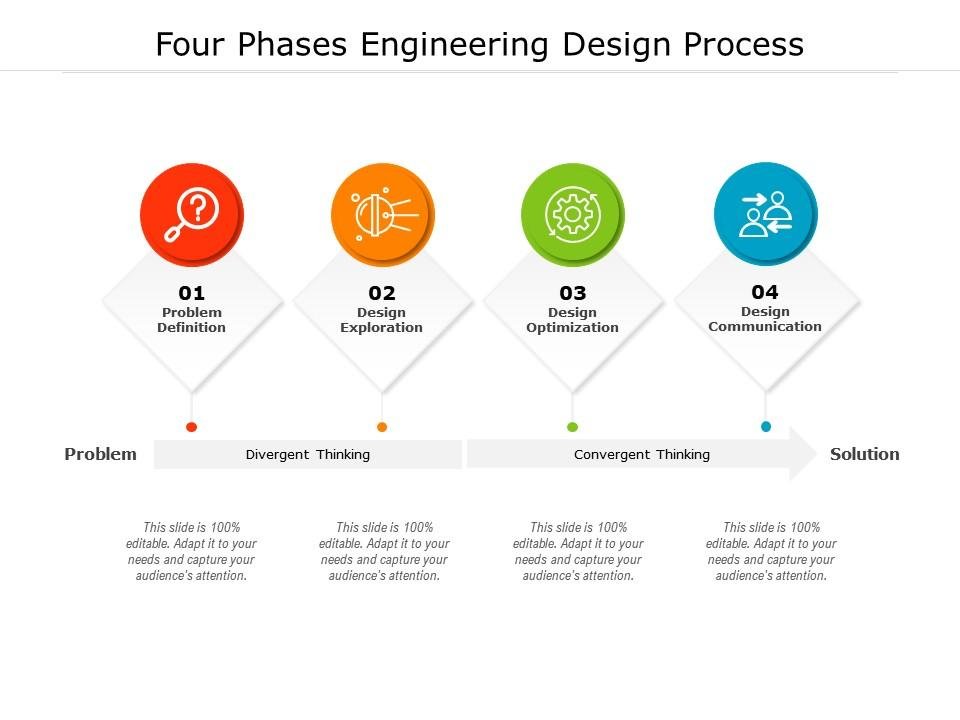
The engineering phase covers all the design and technical planning work required before physical construction can begin. This includes feasibility studies, front-end engineering design (FEED), detailed design, regulatory documentation, and the production of all drawings, specifications, and technical packages that will govern construction and procurement.
What Is the Procurement Phase?
Procurement is the sourcing, purchase, inspection, and delivery of all equipment, materials, and components required for the project. In large energy and industrial projects, procurement is a critical path activity. Delays in sourcing long-lead items such as turbines, compressors, or subsea equipment can push completion dates back by months or even years.
What Is the Construction Phase in EPC?
Construction is the physical execution of the project: civil works, mechanical erection, piping, electrical and instrumentation installation, insulation, painting, and pre-commissioning activities. Under an EPC contract, the contractor manages all of this work, including the oversight of subcontractors.
How Does an EPC Contract Work in Practice?
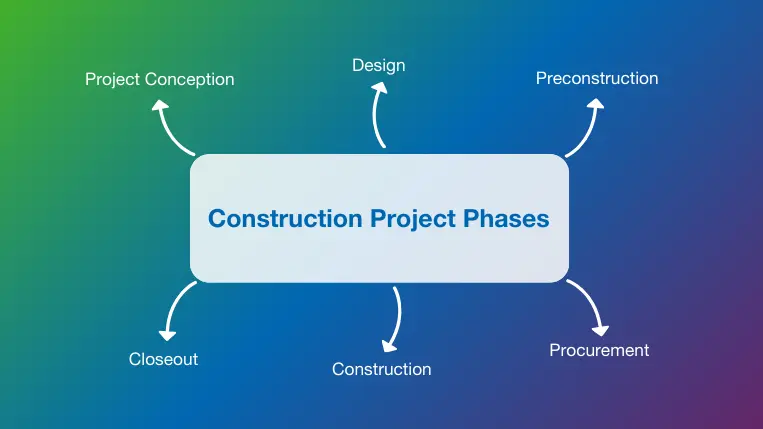
Under an EPC contract, the project owner (or client) signs a single agreement with one contractor. That contractor, the EPC contractor, assumes full responsibility for delivering the completed facility within the agreed price, schedule, and performance specifications. The client does not need to manage dozens of separate contracts for design firms, equipment suppliers, and construction companies. One entity is accountable for the outcome.
This structure creates clear lines of responsibility. If a design error leads to a construction defect, the EPC contractor cannot point blame at a separate design firm. They own the entire delivery chain.
What Are the Key Features of an EPC Contract?
- Lump-sum or fixed-price structure: the contractor bears the risk of cost overruns
- Single-point responsibility: one contractor accountable for the full scope
- Performance guarantees: the contractor must meet defined output specifications
- Liquidated damages: financial penalties apply for schedule delays or performance shortfalls
- Turnkey delivery: the facility is handed over ready to operate
What Types of Projects Use EPC Contracts?
EPC contracts are the preferred delivery model across a wide range of capital-intensive industries:
- Oil and gas upstream: offshore platforms, onshore production facilities, wellhead systems
- Downstream: refineries, petrochemical plants, LNG terminals, storage tank farms
- Power generation: gas-fired power plants, solar farms, substations
- Pipelines and transmission infrastructure
- Water and wastewater treatment plants
- Mining and minerals processing facilities
In Nigeria and across West Africa, EPC contracts are routinely used for upstream oil field developments, gas processing plants, and critical pipeline infrastructure.
What Is the Difference Between EPC and EPCM?
EPCM stands for Engineering, Procurement, and Construction Management. In an EPCM arrangement, the contractor does not take direct contractual responsibility for the construction work. Instead, they manage and supervise construction on behalf of the client, who holds the construction contracts directly. EPCM gives the client more control but also more risk and administrative burden. EPC gives the contractor full ownership of delivery risk, which is what most project financiers and investors prefer.
Why Choose Our EPCI Services for Your EPC Project?
Construction EPCI brings deep experience in engineering, procurement, construction, and installation across the oil and gas, energy, and infrastructure sectors. Our teams have delivered complex projects in Nigeria and across West Africa, operating within demanding regulatory environments and challenging logistical conditions.
We understand what project owners and investors need from an EPC partner: certainty of cost, reliability of schedule, and facilities that perform to specification from day one. Our integrated delivery model eliminates the interface risk that can cripple multi-contract projects.
Frequently Asked Questions About EPC Contracts
Is an EPC contract the same as a turnkey contract?
In most practical contexts, yes. A turnkey contract implies that the contractor hands over a fully operational facility. Most EPC contracts are structured on a turnkey basis, though the specific terms of commissioning and handover should always be clearly defined in the contract.
Who bears the risk in an EPC contract?
The EPC contractor bears most of the delivery risk, including cost overruns, schedule delays, and performance shortfalls. The client retains risks related to the project site, changes in law, and force majeure events.
How long does an EPC project take?
Timelines vary widely depending on project complexity. A small gas processing facility might be delivered in 18 to 24 months. A large refinery or LNG terminal can take four to seven years from FEED completion to mechanical completion.
What is a lump-sum EPC contract?
A lump-sum EPC contract sets a fixed price for the full scope of work. The contractor cannot increase this price except through formally agreed change orders. This gives the client budget certainty and transfers commercial risk to the contractor.
What are common causes of EPC contract disputes?
The most frequent sources of disputes include scope ambiguity in the contract, delays caused by late client decisions or approvals, variation in site conditions, and inadequate definition of performance test requirements. Clear drafting and experienced contract management reduce these risks significantly.
Understanding the EPC contract structure is the first step toward a successful capital project. Whether you are a national oil company, an independent producer, a government agency, or a private investor, the choice of delivery model and contractor is one of the most consequential decisions you will make.
| Ready to discuss your EPC project? Contact Construction EPCI today for a consultation. Visit www.constructionepci.com |


 ENGR. AKIN