 Ben Green
In many UK homes, the transition between different floor surfaces — such as from carpet to tile, or from indoors to a patio — often creates an unexpected hazard. These small step-ups or gaps might seem minor, but for older adults, wheelchair users, or even young children, they can pose real risks for trips, slips, and accessibility challenges.
That’s where door threshold ramps come in — simple yet essential solutions that bridge uneven floor levels, moving into your home safer and smoother. Whether you’re supporting a loved one with mobility needs, renovating a property for better accessibility, or simply aiming to reduce everyday hazards, a quality threshold ramp can make a world of difference.
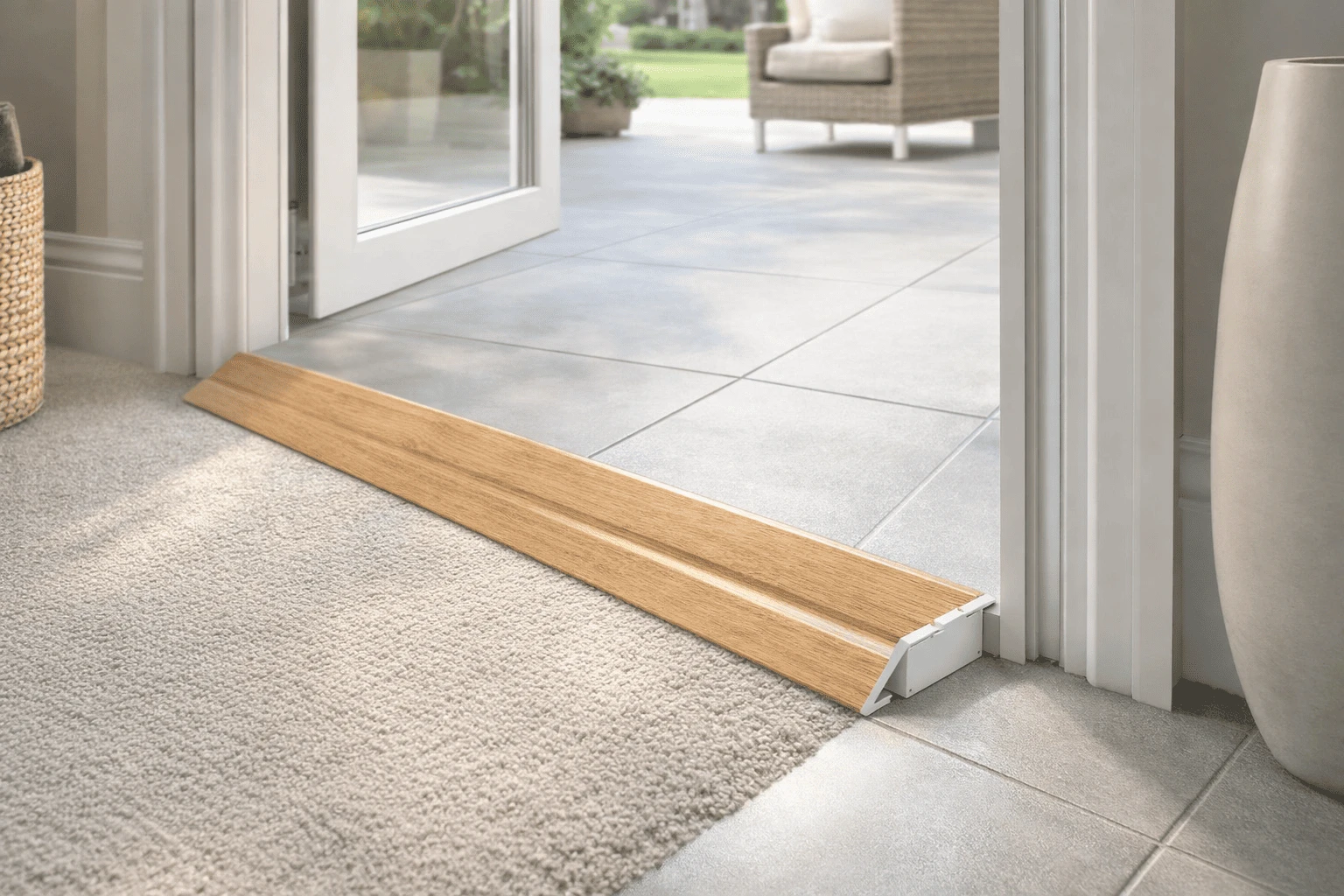
Door threshold ramps are available in a variety of materials, styles, and finishes, including self-adhesive aluminium trims, screw-fixed profiles, and even wood-effect options to blend with traditional interiors. These aren’t just functional add-ons — they offer practical benefits that support safety, independence, and overall comfort. In this guide, we’ll explore how threshold ramps can enhance your living space, improve accessibility, and help you choose the right style and fit for your needs.
What Are Door Threshold Ramps and Who Needs Them?
Door threshold ramps are designed to provide a smooth transition between two floor levels. Typically placed at internal doorways or external entrances, they eliminate the small height differences that can cause discomfort or danger for people navigating the space.
Everyday Accessibility at Home
Whether it’s guiding a pram through the kitchen doorway or helping a wheelchair user move from room to room, threshold ramps ensure freedom of movement. They’re equally helpful for individuals recovering from injury, older adults looking for stability, or anyone simply wanting a smoother walking experience.
In homes where multiple flooring types exist, these ramps offer an elegant, unobtrusive way to create consistent access throughout the house.
The Safety Risks of Uneven Floor Levels
Even small differences in floor height between laminate and carpet, or vinyl and tile, can increase the risk of trips and falls — particularly for people with limited mobility or reduced vision. Door threshold ramps provide a gentle incline, helping to make movement across thresholds safer and more stable. Information on commonly used door threshold ramps can guide suitable designs for different floor heights, doorway widths, and accessibility considerations in UK homes.
How to Choose the Right Ramp for Your Space
Selecting the right threshold ramp involves more than just picking a size. Key factors include the height difference, floor types being joined, traffic levels, and installation preferences.
Measure Floor Gaps & Select the Correct Width
The first step is to measure the vertical difference between floor surfaces. This helps determine the necessary incline. For example, a 10mm difference between tiles and carpet might require a narrow, low-profile ramp. Width is another consideration. Standard sizes, like 900mm or 2700mm, cover most residential thresholds, but custom requirements may apply for wider or double-door setups.
Installation Types – Self-Adhesive vs Screw Fix
Self-adhesive ramps are ideal for quick installation. Simply peel and stick — no drilling required. These are best suited for clean, flat surfaces with moderate foot traffic. Screw-fix ramps provide a more permanent solution. They are secured using plugs and screws, offering enhanced durability for high-traffic areas such as entrances or connecting rooms. Options in the UK market include both self-adhesive and screw-fix formats, allowing homeowners to select the approach that best suits their flooring transitions and traffic needs
Where to Use Door Threshold Ramps in Your Home
Door threshold ramps can be used both indoors and outdoors, depending on the location and flooring types involved.
Connecting Internal Floor Types
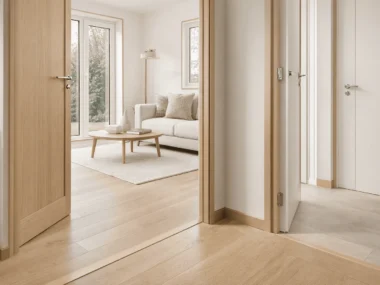
Homes with a mix of tile, laminate, carpet, and vinyl can present subtle but significant transitions. Installing a threshold ramp between these surfaces offers both a visual and functional bridge, particularly helpful for those using mobility aids.
Discreet aluminium trims, anti-slip finishes, and wood-effect designs allow homeowners to choose ramps that suit both their practical needs and aesthetic preferences.
Outdoor Use – Garden Doors, Conservatories & Entrances
Outdoor thresholds often have slightly raised lips or uneven edges that become more hazardous in wet weather. A ramp at your back door, patio, or conservatory entrance ensures safer passage for everyone, whether carrying shopping or using a mobility scooter. Weather-resistant materials such as anodised aluminium provide long-lasting durability, while anti-slip finishes improve safety during rain or snow.
UK Guidance – VAT Relief, Grants & Accessibility Tips
Who Qualifies for VAT Exemption in the UK?
In the UK, individuals with a qualifying long-term illness or disability may be eligible to purchase accessibility products without paying VAT. This includes many types of door threshold ramps. To qualify, the product must be for personal or domestic use, and the buyer must complete a VAT exemption declaration at checkout. This policy helps make home adaptations more affordable for those who need them.
Accessibility in UK Homes – Meeting Regulations
Under the Equality Act 2010 and Building Regulations Part M, there’s increasing emphasis on creating homes that are accessible to all. Although properties may not legally require compliance, adding door threshold ramps improves inclusivity, property value, accessibility, and everyday liveability. These practical improvements create safer, more accommodating living spaces, especially for multi-generational households or residents needing mobility support.
Maintenance & Longevity of Your Threshold Ramp
Door threshold ramps deliver durable performance but still require occasional maintenance to maintain long-term reliability and effectiveness.
Cleaning, Weatherproofing & Long-Term Safety
For internal ramps, a simple cleaning with a damp cloth is usually enough. For outdoor or entranceway installations, check for debris or dirt buildup that may compromise grip. Screw-fix ramps should be inspected every few months to ensure fittings remain secure. Self-adhesive models may require reapplication if exposed to high traffic or moisture. Aluminium ramps, in particular, are rust-resistant and well-suited for UK conditions, offering longevity even in challenging environments.
Conclusion: A Practical Addition to Everyday Living
Improving accessibility in the home does not require major renovations. Door threshold ramps can make movement across small steps or uneven flooring transitions safer and more stable. These ramps help support accessibility, comfort, and ease of movement for people of all ages, including those ageing in place or recovering from injury. For reference material on threshold ramps and related accessibility considerations, see doorthresholds.uk.

 Ben Green