 Ben Green
Modern architecture increasingly embraces openness, natural light, and uninterrupted views. One of the technologies making this possible is structural glass, an engineered form of glass designed to do far more than act as a window or façade. Unlike conventional glazing, structural glass can serve as part of a building’s load-bearing system, supporting roofs, floors, staircases, and other structural elements when properly engineered.
Advances in glass manufacturing, lamination, and connection systems have enabled architects and engineers to create buildings that combine transparency with structural performance. From iconic retail stores to museums and commercial buildings, structural glass is helping redefine what is possible in contemporary architecture.
This guide explains what structural glass is, how it works, its common applications, advantages, limitations, and why it has become an important material in modern construction.
What Is Structural Glass?
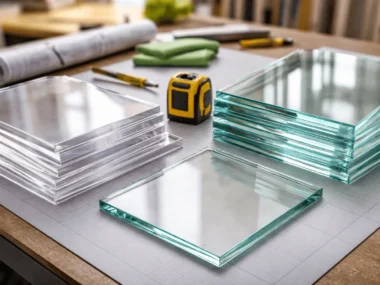
Structural glass is specially engineered glass designed to carry structural loads while maintaining transparency. Unlike ordinary architectural glass, which mainly acts as an enclosure or weather barrier, structural glass contributes to the stability and support of a building.
To achieve this, engineers typically use laminated, tempered, or heat-strengthened glass. Multiple layers of glass are bonded together using high-performance interlayers, creating a stronger and safer assembly that can continue supporting loads even if one layer is damaged.
Structural glass is commonly used for:
- Glass beams
- Glass columns
- Glass floors
- Glass staircases
- Glass roofs
- Glass façades
- Glass bridges
- Structural fins that support curtain walls
The goal is to maximise natural light while reducing the visual impact of traditional structural materials such as steel or reinforced concrete.
How Does Structural Glass Work?
Structural glass relies on a combination of advanced materials and precision engineering rather than the glass alone.
Several design principles make structural glass possible:
Laminated Glass
Several sheets of glass are bonded together using durable interlayers such as polyvinyl butyral (PVB) or ionoplast (SGP). If one layer cracks, the remaining layers and interlayer help maintain structural integrity.
Tempered or Heat-Strengthened Glass
Structural glass is usually heat-treated to improve its strength and resistance to impact and thermal stress.
Engineered Connections
Specially designed stainless steel fittings, adhesive systems, and embedded connectors distribute loads evenly and minimise stress concentrations that could cause failure.
Redundancy
Structural glass systems are designed with multiple load paths so that the structure continues to perform safely even if one glass layer becomes damaged.
Because glass behaves differently from steel or concrete, every structural glass installation requires detailed engineering analysis to account for wind, impact, temperature changes, and building movement.
How Is Structural Glass Connected?
One of the biggest engineering challenges in structural glass construction is transferring loads safely without creating stress concentrations that could cause the glass to fail. To achieve this, engineers use specialised connection systems designed to support the glass while maintaining its transparent appearance.
Some of the most common connection methods include:
Spider Fittings
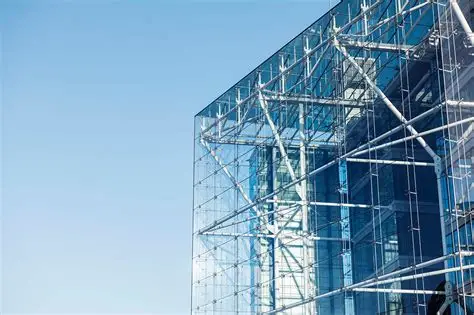
Spider fittings are stainless steel connectors commonly used in frameless glass façades. They secure glass panels at specific points while allowing the structure to accommodate movement caused by wind or temperature changes.
Point-Supported Glazing
Point-supported glazing uses mechanical fasteners to hold glass panels at carefully engineered locations rather than along their edges. This creates large transparent façades with minimal visible framing.
Bolted Connections
Specially designed bolts pass through pre-drilled holes in laminated glass. Engineers carefully detail these connections to distribute loads evenly and minimise stress around the bolt holes.
Structural Silicone Glazing
In structural silicone glazing systems, high-performance silicone sealants bond the glass directly to supporting frames. This creates a clean appearance while allowing the glass to expand and contract with temperature changes.
Glass Fins
Glass fins are vertical or horizontal structural glass members that act like beams or columns. They provide additional stiffness and support large glass façades while maintaining a transparent architectural design.
Types of Structural Glass
Different types of glass are used depending on the project’s structural and safety requirements.
Laminated Glass
Laminated glass consists of two or more sheets bonded together with transparent interlayers. It offers excellent post-breakage performance and is widely used in structural applications.
Tempered Glass
Tempered glass is heat-treated to increase its strength. When broken, it shatters into small blunt fragments, reducing the risk of serious injury.
Heat-Strengthened Glass
Heat-strengthened glass provides greater strength than ordinary annealed glass but does not fragment like tempered glass. It is often used where additional strength is required without the breakage characteristics of tempered glass.
Insulated Glass Units (IGUs)
Although primarily designed for thermal performance, insulated glass units may form part of structural glazing systems when combined with engineered framing and structural support.
Design Standards for Structural Glass
Structural glass systems must be designed in accordance with recognised engineering standards and local building regulations to ensure safety and performance. The specific standards used vary depending on the country and project requirements.
Engineers typically consider factors such as wind loads, impact resistance, thermal stresses, seismic forces, and long-term durability during the design process. Compliance with applicable standards helps ensure that structural glass installations meet both safety and performance requirements throughout their service life.
Applications of Structural Glass
Structural glass is now used in a wide range of commercial, public, and high-end residential projects.
Common applications include:
- Glass façades
- Glass entrance structures
- Glass canopies
- Roof glazing
- Glass bridges
- Glass staircases
- Observation decks
- Skylights
- Shopping centres
- Airports
- Museums
- Corporate headquarters
Its ability to combine structural performance with visual openness makes it especially attractive for buildings where daylight and aesthetics are priorities.
Notable Examples of Structural Glass
Perhaps the world’s most famous example of structural glass is the glass cube at the Apple Fifth Avenue store in New York. The entrance structure uses large laminated glass panels, beams, and fins to create a transparent cube with minimal visible steel. Over the years, advances in glass engineering reduced the number of glass panels while maintaining structural performance, resulting in an even cleaner appearance.
Crystal Houses, Amsterdam
Designed by MVRDV, Crystal Houses features a façade constructed from transparent cast glass bricks that recreate the appearance of traditional masonry while allowing significantly more light into the building. The project demonstrates how structural glass can be integrated into architectural façades in innovative ways.
Louvre Pyramid, Paris
Although supported by a sophisticated metal framework, the Louvre Pyramid remains one of the world’s most recognisable examples of structural glazing. Its transparent glass envelope allows natural light into the museum while creating an iconic architectural landmark.
Advantages of Structural Glass
Structural glass offers several benefits that have made it increasingly popular in contemporary architecture.
Exceptional Transparency
Structural glass minimises visible framing, allowing architects to create bright, open spaces with uninterrupted views.
Increased Natural Light
Large glass structures maximise daylight penetration, reducing reliance on artificial lighting during daytime hours.
Modern Architectural Appearance
The clean, minimalist appearance of structural glass complements contemporary commercial, cultural, and residential buildings.
Multi-functional Design
Structural glass can perform both structural and architectural functions, reducing the need for additional visible supporting elements.
Corrosion Resistance
Unlike steel, glass does not rust, making it suitable for many exposed environments when properly detailed.
Challenges of Structural Glass
Despite its advantages, structural glass presents several engineering challenges.
High Initial Cost
Manufacturing, transporting, and installing structural glass requires specialised equipment and expertise, making it more expensive than conventional glazing.
Brittle Behaviour
Glass is inherently brittle, so engineers must carefully design systems to prevent sudden failure.
Complex Engineering
Every structural glass installation requires detailed structural analysis, precise fabrication, and careful installation.
Maintenance
Large glass surfaces require regular cleaning to maintain their appearance.
Thermal Performance
Without appropriate glazing systems and coatings, large glass areas can increase solar heat gain or heat loss.
Is Structural Glass Safe?
Yes. When properly designed, manufactured, and installed, structural glass is considered safe for use in buildings.
Modern structural glass systems incorporate several safety measures, including laminated glass construction, redundancy, carefully engineered connections, and compliance with national and international building codes.
Even if one pane cracks, laminated interlayers help hold broken pieces together while allowing the structure to retain much of its integrity until repairs can be carried out.
Read More: Top 10 Offshore Oil and Gas Projects to Watch in 2025
Structural Glass vs Traditional Curtain Wall Systems
| Feature | Structural Glass | Traditional Curtain Wall |
| Primary structural role | Can carry structural loads | Primarily acts as an external enclosure |
| Load-bearing capability | High when properly engineered | Minimal |
| Transparency | Excellent | Excellent |
| Visible framing | Minimal | More visible framing |
| Typical applications | Glass beams, columns, roofs, bridges, façades | Commercial building façades and external walls |
| Installation complexity | High | Moderate |
| Maintenance | Regular cleaning and specialist repairs | Regular cleaning and conventional maintenance |
| Energy performance | Depends on glazing specification and coatings | Depends on glazing system and insulation |
| Cost | Higher | Generally lower |
| Aesthetic impact | Creates seamless, transparent architecture | Offers transparency with more visible structural elements |
Future of Structural Glass
Structural glass continues to evolve as manufacturers develop new technologies that improve performance, sustainability, and user comfort.
Some of the most promising developments include:
- Smart glass, which can automatically adjust its transparency or tint in response to sunlight or user controls.
- Electrochromic glass, which changes its light transmission electronically to reduce glare and improve energy efficiency.
- Photovoltaic glass, which incorporates solar cells to generate electricity while functioning as part of the building envelope.
- Double-skin glass façades, which improve thermal performance and natural ventilation by using two layers of glazing separated by an air cavity.
As these technologies become more widely adopted, structural glass is expected to play an even greater role in creating sustainable, energy-efficient, and visually striking buildings.
Frequently Asked Questions
Is structural glass strong?
Yes. Structural glass is significantly stronger than ordinary window glass because it uses laminated, tempered, or heat-strengthened glass combined with specialised engineering and connection systems.
Can structural glass replace steel?
In certain applications, structural glass can replace some steel components, such as beams, columns, fins, or façades. However, most buildings still combine glass with steel or reinforced concrete for overall structural stability.
Why is laminated glass used?
Laminated glass improves safety by holding broken pieces together if the glass cracks, helping maintain structural performance while reducing the risk of injury.
Where is structural glass commonly used?
Structural glass is commonly used in commercial buildings, museums, airports, retail stores, hotels, office buildings, and public spaces where transparency and natural light are important.
Is structural glass expensive?
Yes. Structural glass generally costs more than conventional glazing because of specialised manufacturing, engineering, transportation, and installation requirements.
Conclusion
Structural glass has transformed modern architecture by demonstrating that glass can be far more than a decorative material. Through advances in glass manufacturing, lamination technology, and structural engineering, it is now possible to create transparent beams, columns, façades, and roofs that contribute to a building’s structural performance while enhancing its visual appeal.
Read More: Best Mobile Apps for Civil Engineers in 2026: Top Tools for Site Work, Design and Project Management
Although structural glass requires careful engineering and typically involves higher costs than traditional glazing systems, it offers unique architectural possibilities that few other materials can match. As technology continues to advance, structural glass is expected to play an even greater role in shaping the next generation of innovative, light-filled buildings.


 Ben Green